Anacapa Island, San Miguel Island, Santa Barbara Island, Santa Cruz Island and Santa Rosa Island make up the “Channel Islands National Park”. Each island has some type of Visitors center. Not all of them are totally accessible to the public.
The islands were declared a “National monument” in 1947 By President Truman. They were given “National Park status in 1980.
I rode on a transport boat for an hour and 15 minutes to arrive at Santa Cruz Island. During my boat trip I saw two different pods of dolphins playing in the wake of the boat. I also got to see several sea lions in the water and also sunning themselves on jetty’s and buoys along the way.
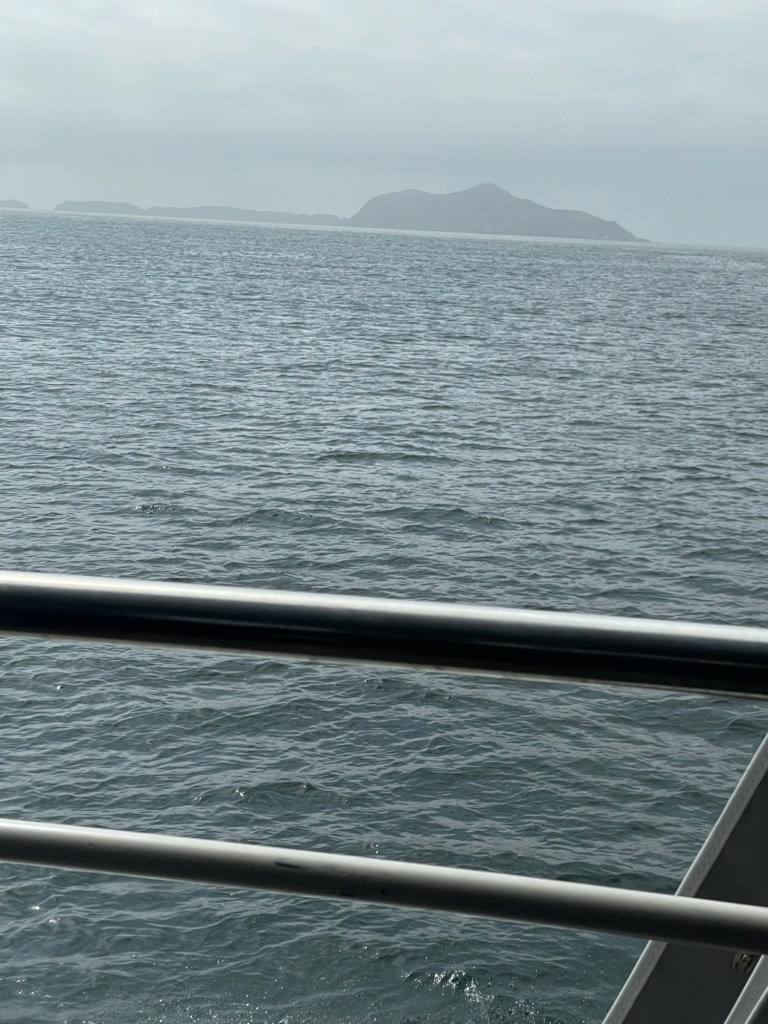
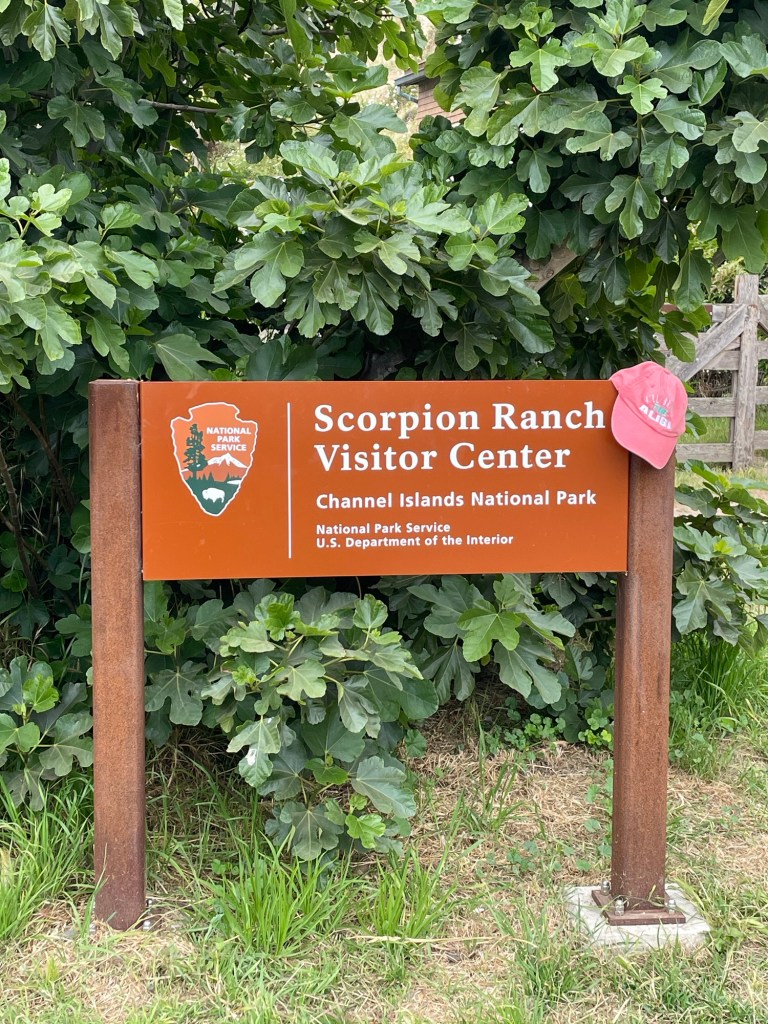
The islands have been inhabited by human beings for over 13,000 years. When Europeans discovered the islands, they found thriving communities that lived off the land and the sea. Since that time, the islands have been used as many things. There have been large cattle ranches and sheep ranches. There have been commercial fishing operations harvesting Albacore. The remains of a “pigmy mammoth” was found on Santa Cruz in a sandbank after a storm. One of the oldest documented human remains was also found on Santa Cruz.
The islands are now protected both on the land and for a mile out to sea around each of them. All the non native animals that were brought to the islands have been removed or eradicated.
Today the islands offer lots of opportunities for recreation and education. You can hike, kayak, snorkel or dive. Fishing is also allowed. Overnight camping is available for those who are interested!
It turns out that I am not the first member of my immediate family to visit Santa Cruz. My daughter in law Alex was there in September of last year and camped overnight!
There are two indigenous species of animals that are only found on Santa Cruz. The Santa Cruz Island Fox can only be found there. It is very small. It only weighs about four pounds. It is about the size of your average house cat. Even at this diminutive size, it is the apex predator of the island.

The other species is the “Island Jay”. It is a Blue Jay that is a little larger than its mainland counterparts. They are very used to humans being on the island and don’t have a problem being around them.

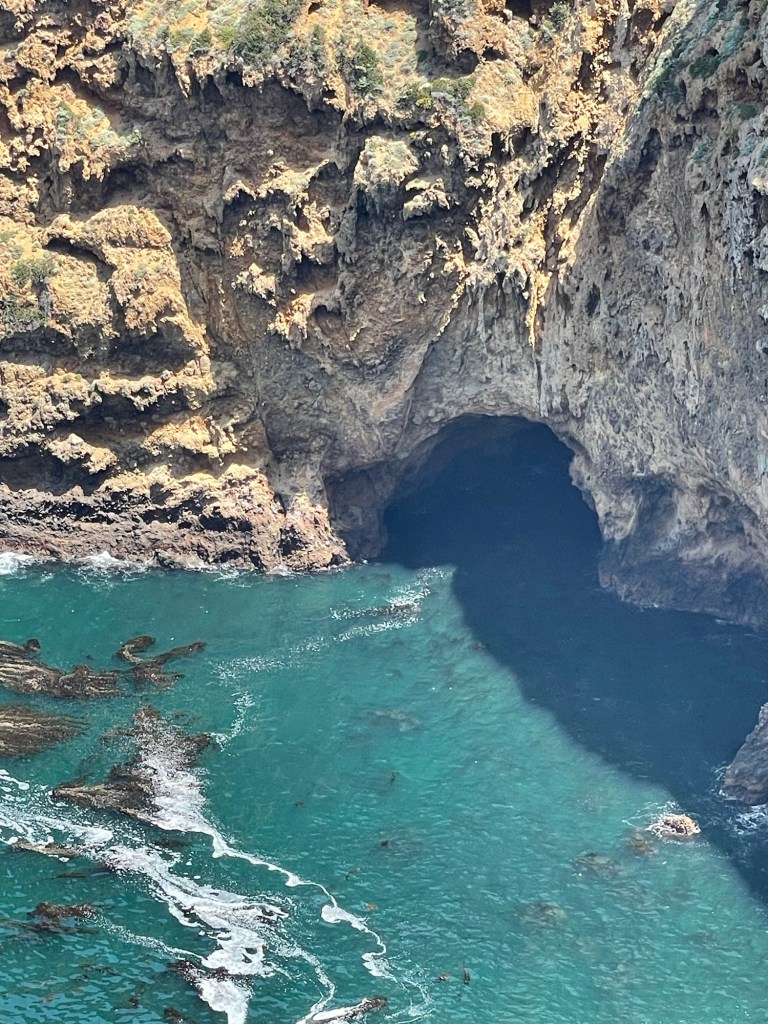
There are many different hiking paths available on the island. Some hug the perimeter and have breathtaking views of steep cliffs and caves along the shorelines. Others are interior based highlighting the valleys and slopes. These islands are mountainous. They were never part of the mainland.
The hikes are of different lengths and difficulty. There are hikes that fit all people regardless of fitness level.


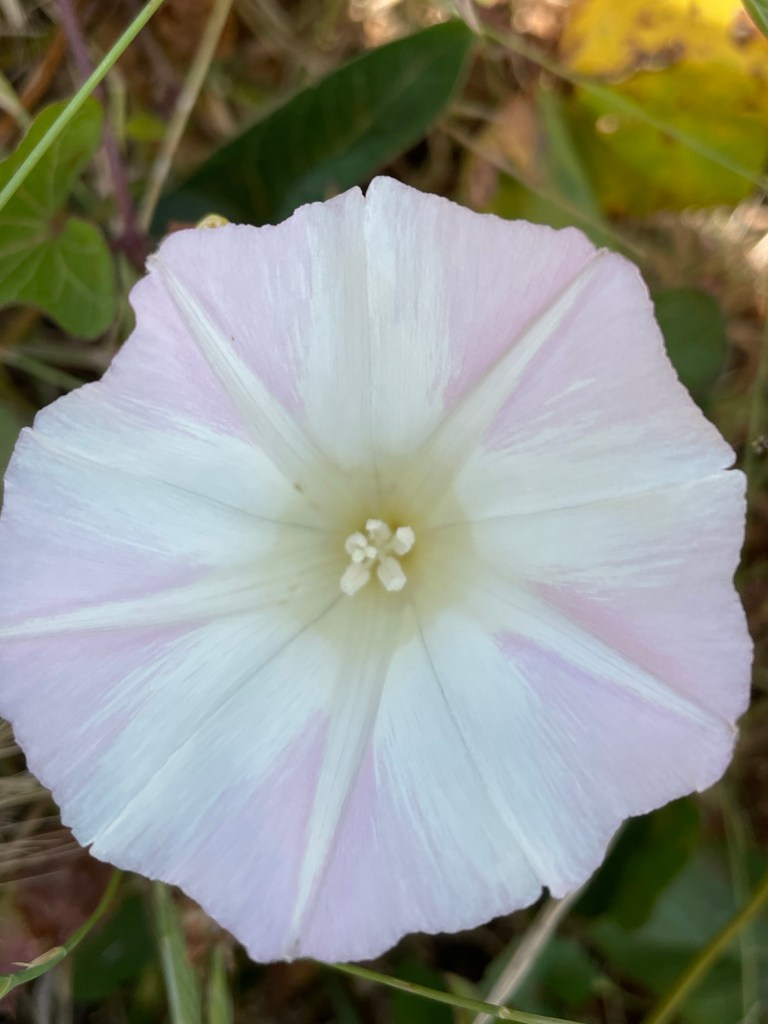

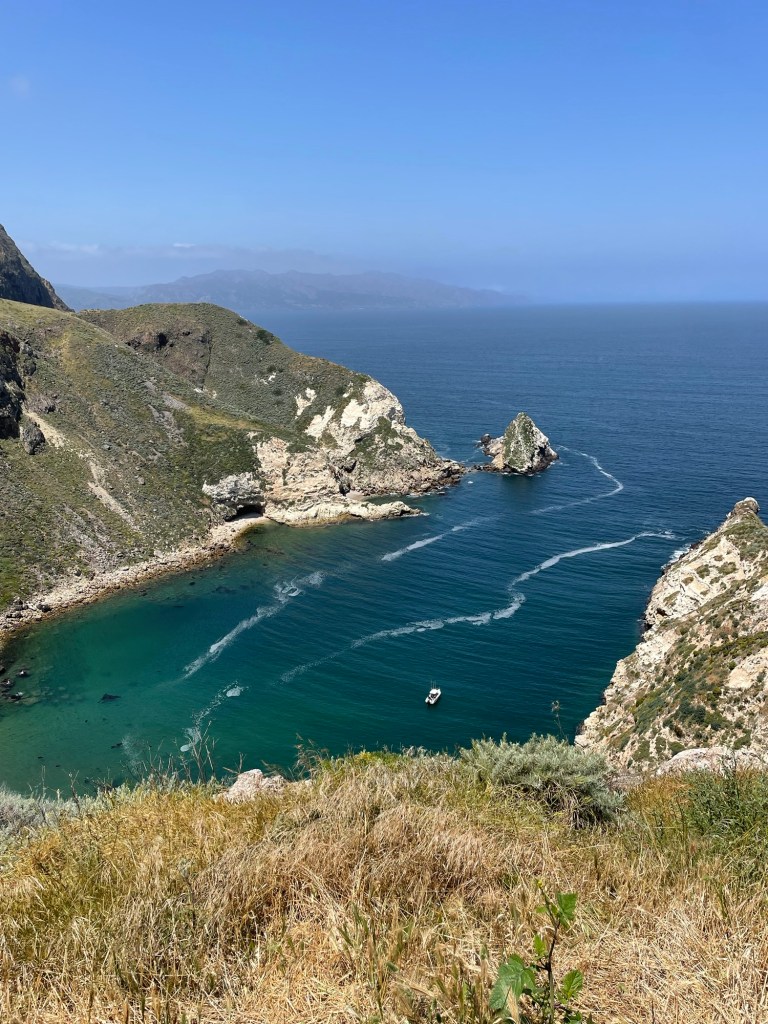
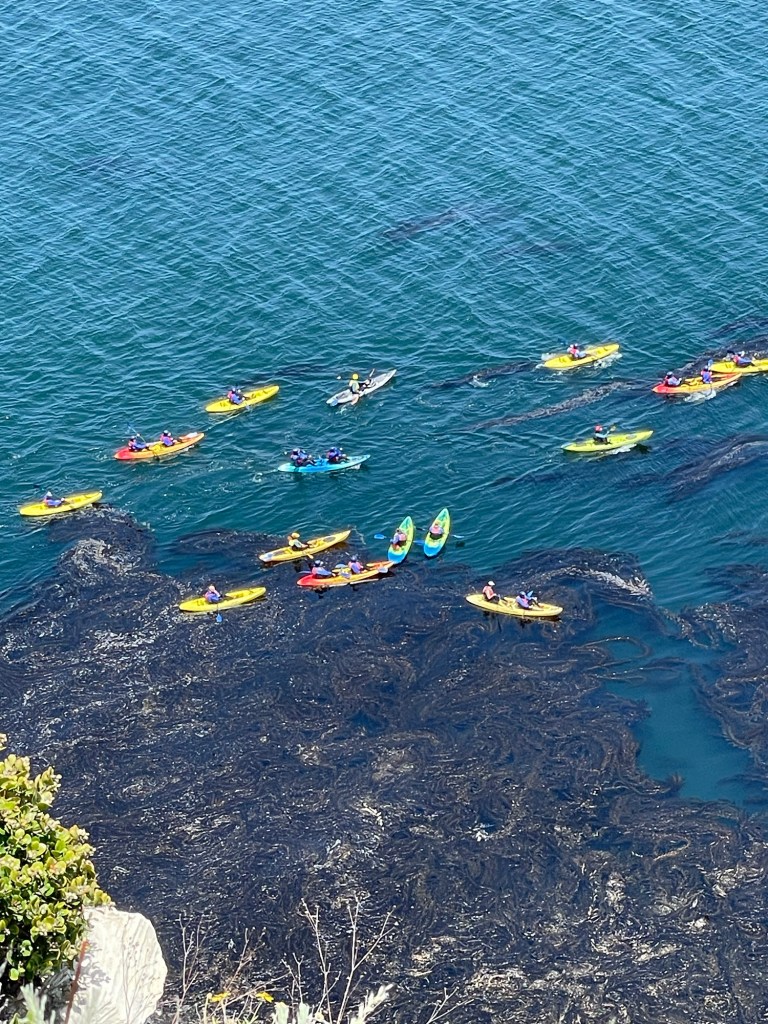
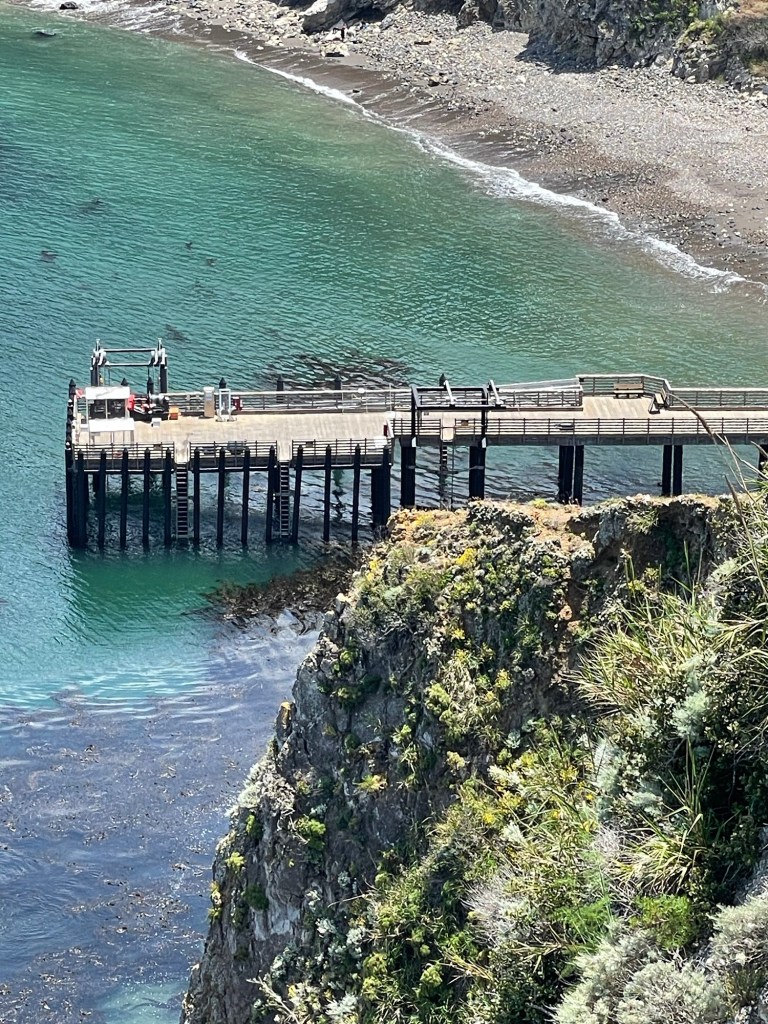

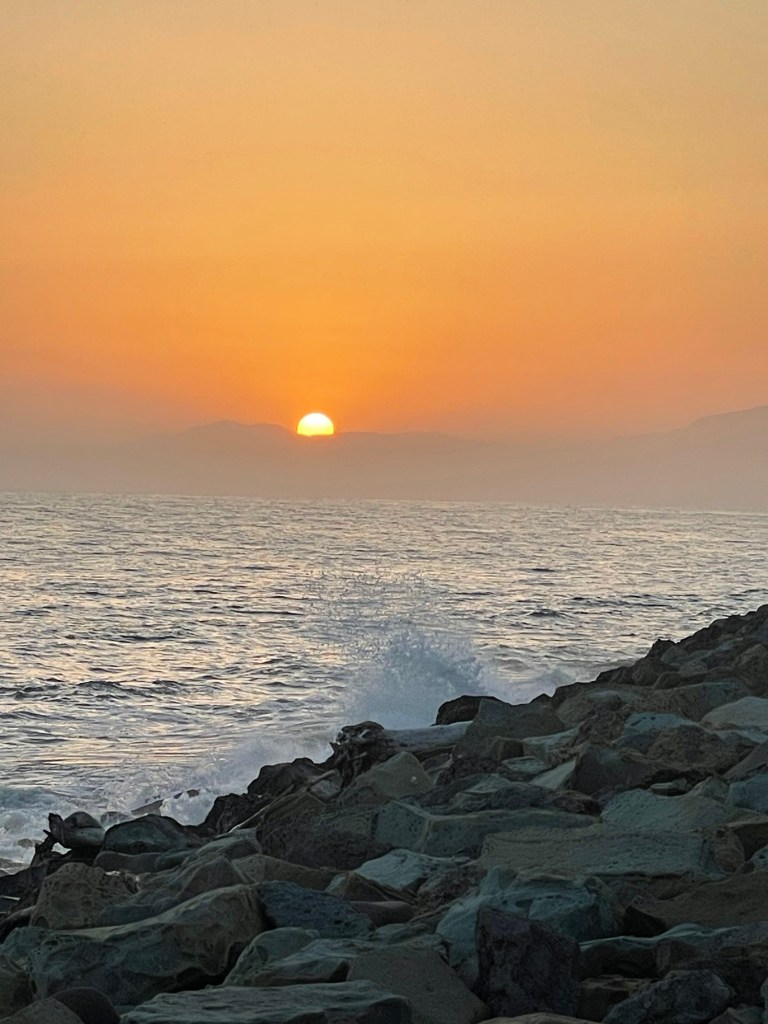
All in all it was a wonderful day. I got over 17,000 steps in for the day!
 Tom's National Park Adventure
Leave a reply to alysa mclaughlin Cancel reply