
One of my most vivd memories of growing up in Plantation in the 1960’s was looking to the west in the summer months and seeing an orange glow on the horizon. The Everglades would be on fire. I really didn’t give much thought to it at the time. It seemed to be an annual occurrence to me. From a practical standpoint, it meant that whenever it rained, the fine ash from the fires would be washed through the screened enclosure over our pool. The ash would eventually settle on the bottom of the pool and I would have to clean the pool yet again!
What I didn’t understand was that the fires were a result of lower water levels. People had been manipulating the fresh water contained in the Everglades for over 100 years. The non Native Americans who settled in southern Florida in the 1800’s and early 1900’s thought these wetlands were just a worthless swamp. Dams, floodgates, canals and levees were built to divert the water to support agriculture and the new communities that were forming in the area.
The Everglades are a collection of diverse and unique habitats. There are Marine and Estuarian waters. Mangroves, Freshwater marshes, Cypress and Hardwood forests are all part of this very sensitive tapestry!
The National Park was established in 1947 in an effort to protect the area. Invasive plants and animals are just part of the problems affecting the area. Projected water rise from global warming will also play a big role in the future of the park. Increased saltwater combining with the fresh water will have a huge effect on all the different ecosystems. There is hope! There is a comprehensive restoration plan in place to restore the historic natural flow of water. Many species of birds and aquatic animals have been returning to the area. Removing nonnative plants and invasive animals like large snakes have made an impact.
There are many famous species that are unique the area. Too many to give a comprehensive list here.
I got up on Saturday morning and drove to the Shark Valley visitors center. I got my stamp for Dianes” National Park Passport and took a short hike. Diane and I had visited the park several years ago and camped in one of the campgrounds located in the park. It was good to see the miles and miles of sawgrass again. If you ever get a chance to visit, I would strongly suggest going on a tour in an Airboat. It seems to me to be one of the best ways to experience the area.
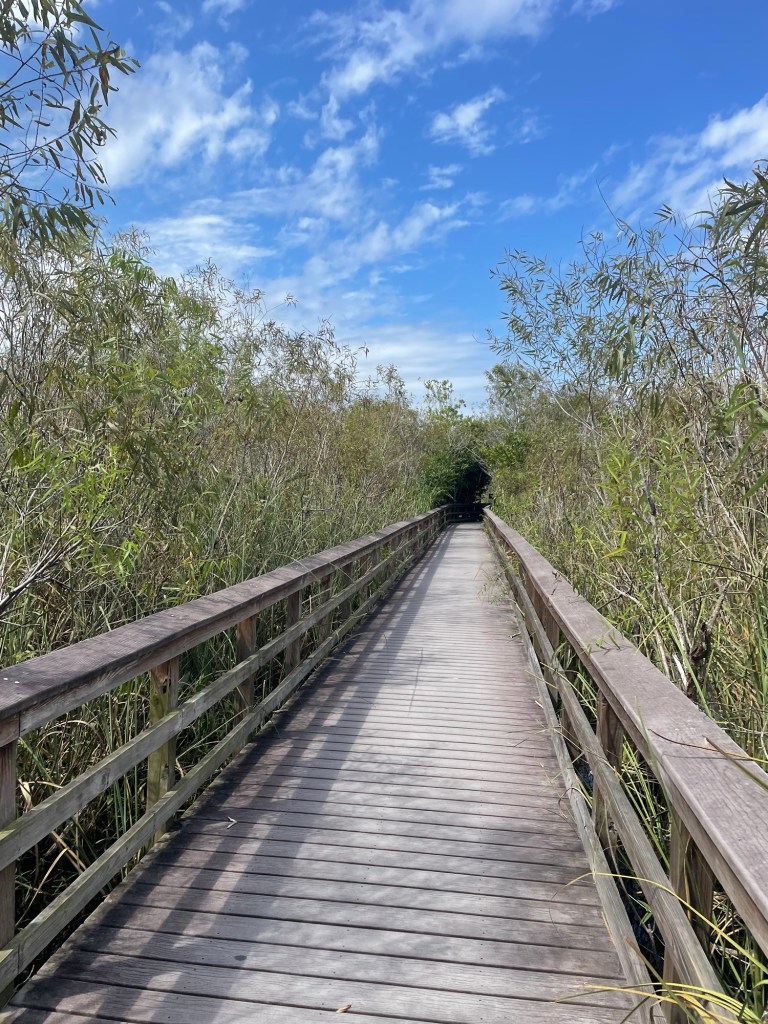
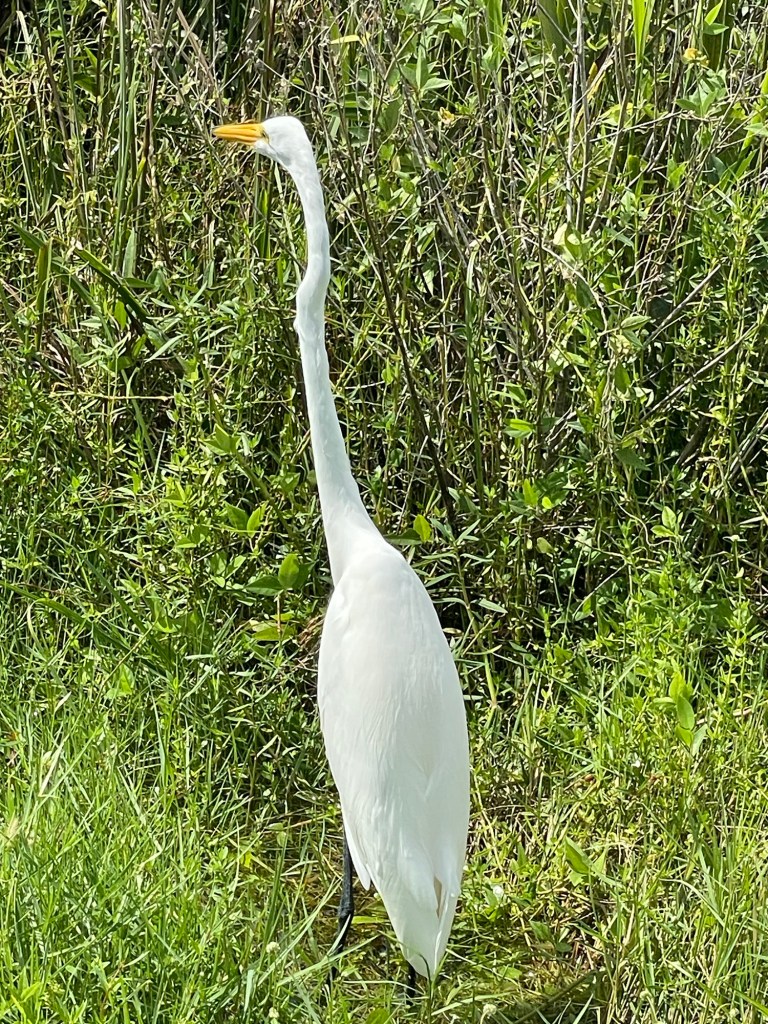
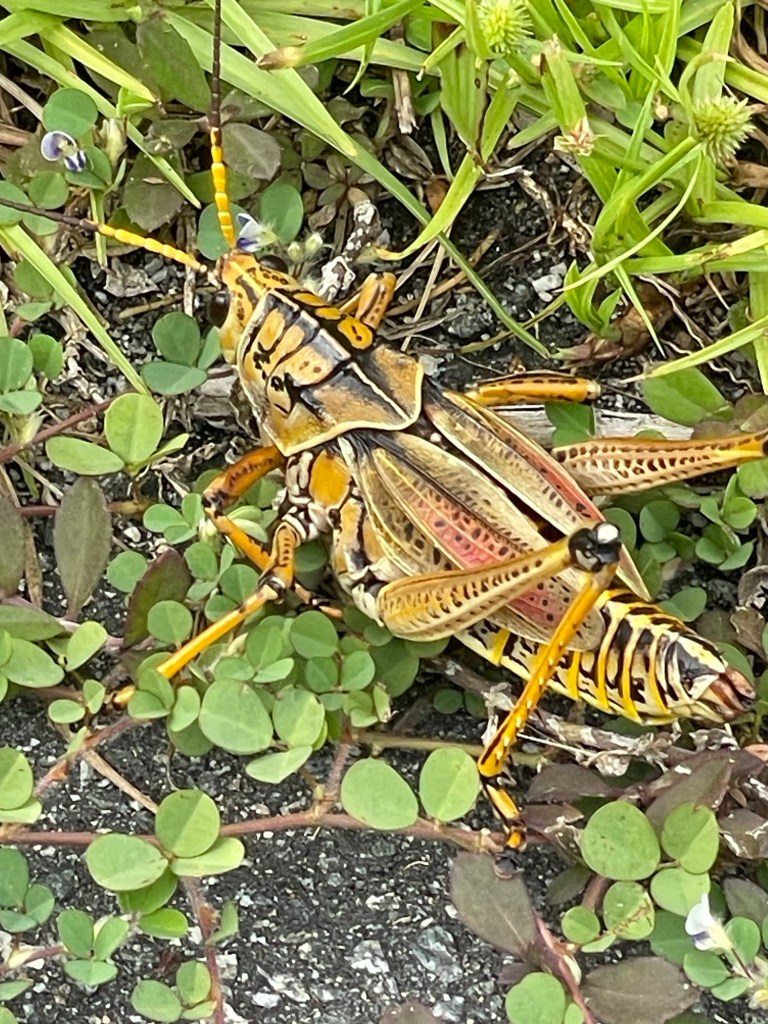


After returning from the National Park, I went to my second reunion activity. I got to see more people I hadn’t seen in 52 years! It was a very nice evening and I’m glad I was able to reconnect with my former classmates.
 Tom's National Park Adventure
Leave a reply to Ellen Cancel reply