Today was shaping up to be a hybrid kind of day. The first half or so dedicated to the forest side of the park. The afternoon spent on the water enjoying a three hour tour of the park
The first thing I remember hearing this morning was the faint sound of an Elk bugling. I can’t say for certain that it actually what I was hearing, but it’s what my brain was telling me it was at the time!
The reality of the situation is that Elk have traditionally been part of the ecosystem here in the park and there are still some here. But white tail deer have been pushing them out due to their numbers. There deer are everywhere here. You have to be on your toes when driving down the road. They run right out in front of you!
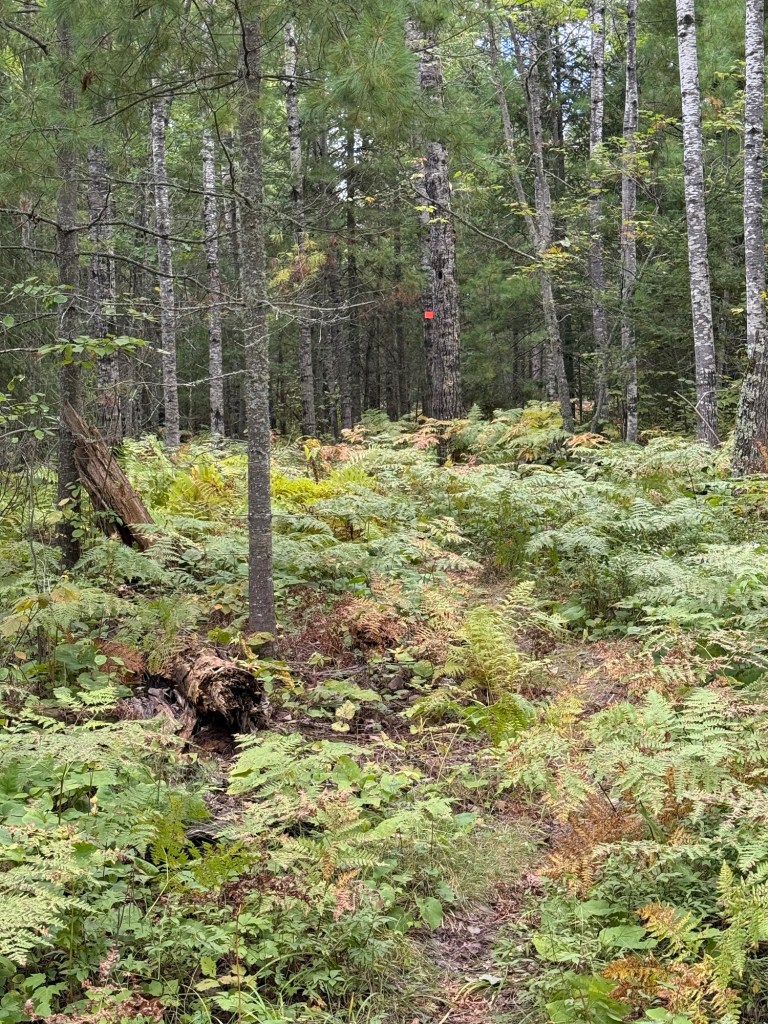
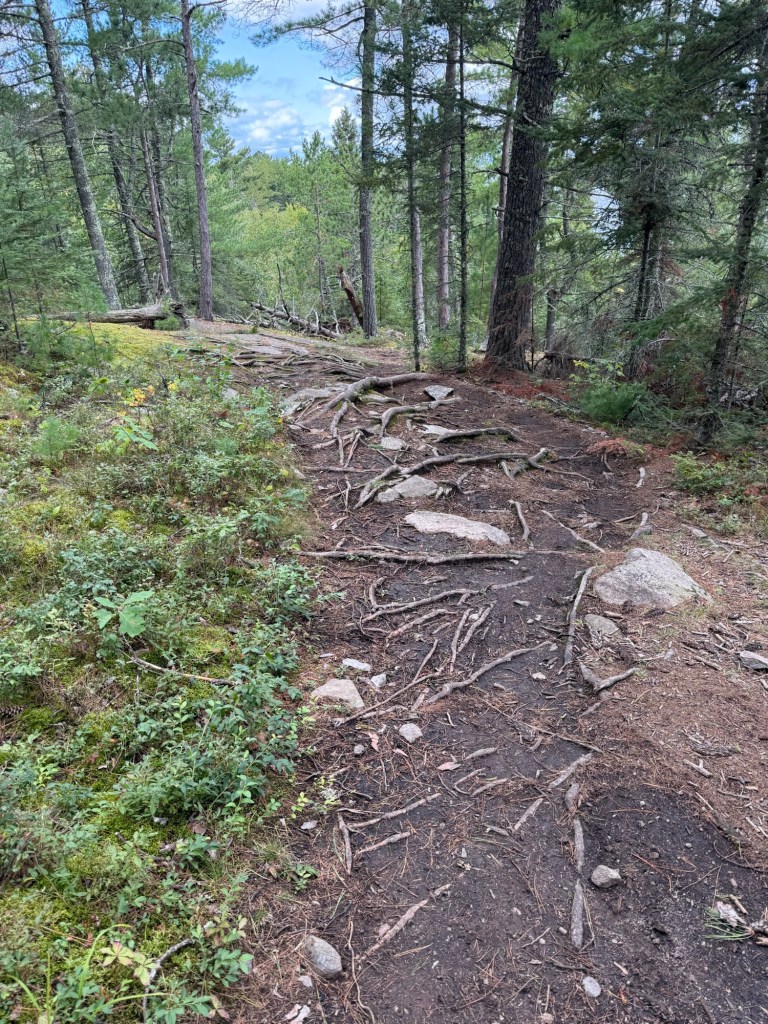
My first hike of the day was on the Echo Bay Trail. Most of the trails in the park serve double duty. As soon as the weather gets cold and the snow starts to accumulate, the hiking trails turn into cross country skiing trails or snowshoe trails. Some of them are long enough that they are used for snowmobiles as well. The trails are wide. The other distinguishing aspect of them is that all of the trails have rocks and tree roots all over them!
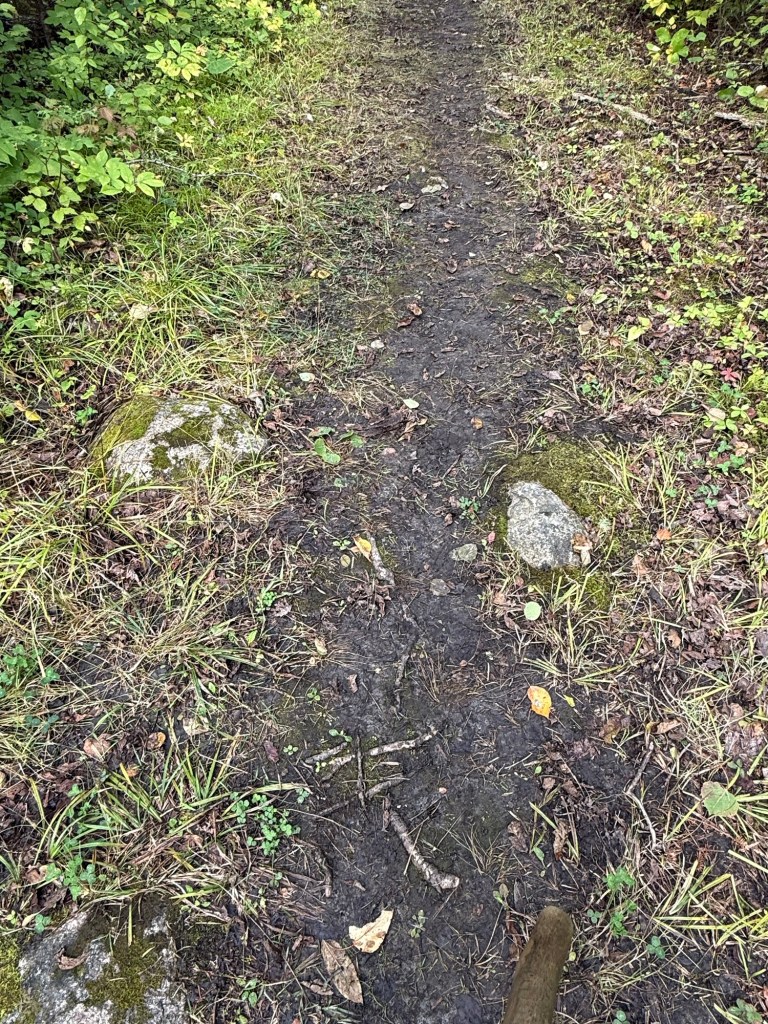
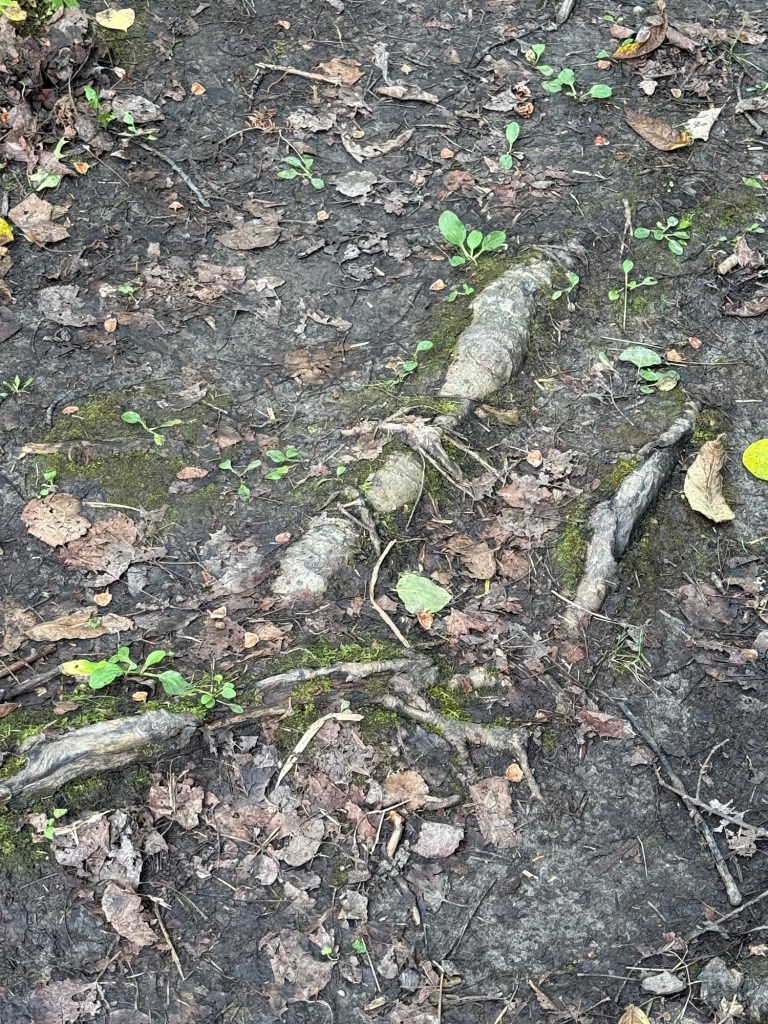
The reason there are so many tree roots on the trails is due to the makeup of the topography. There are very large rocks everywhere here. They are some of the oldest exposed rocks found on earth! During the ice age, the glaciers advanced and retreated many times. The moving ice caused the top soil to be shifted and moved until the only thing left was the bare granite and other bed rock from when the earth was created. Over time some topsoil has returned, but it is very shallow. Usually there is less than 18 inches of topsoil available for the tree roots to grow in.
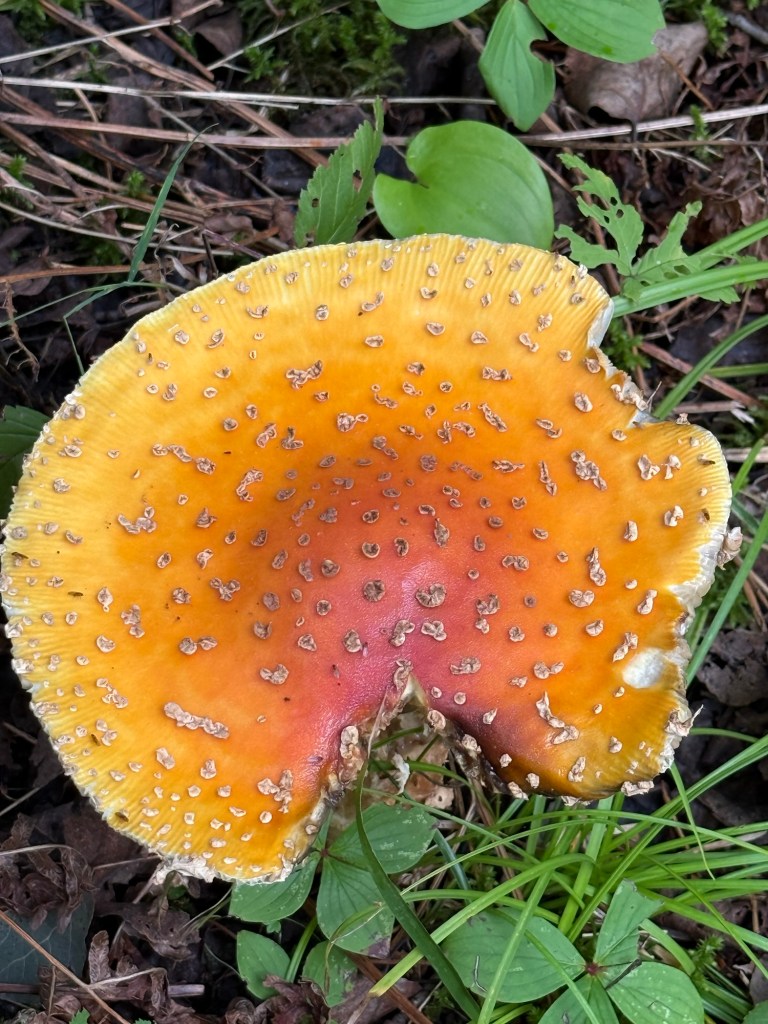
There were other interesting colors to see along the trail. Mushrooms of many different shapes and colors
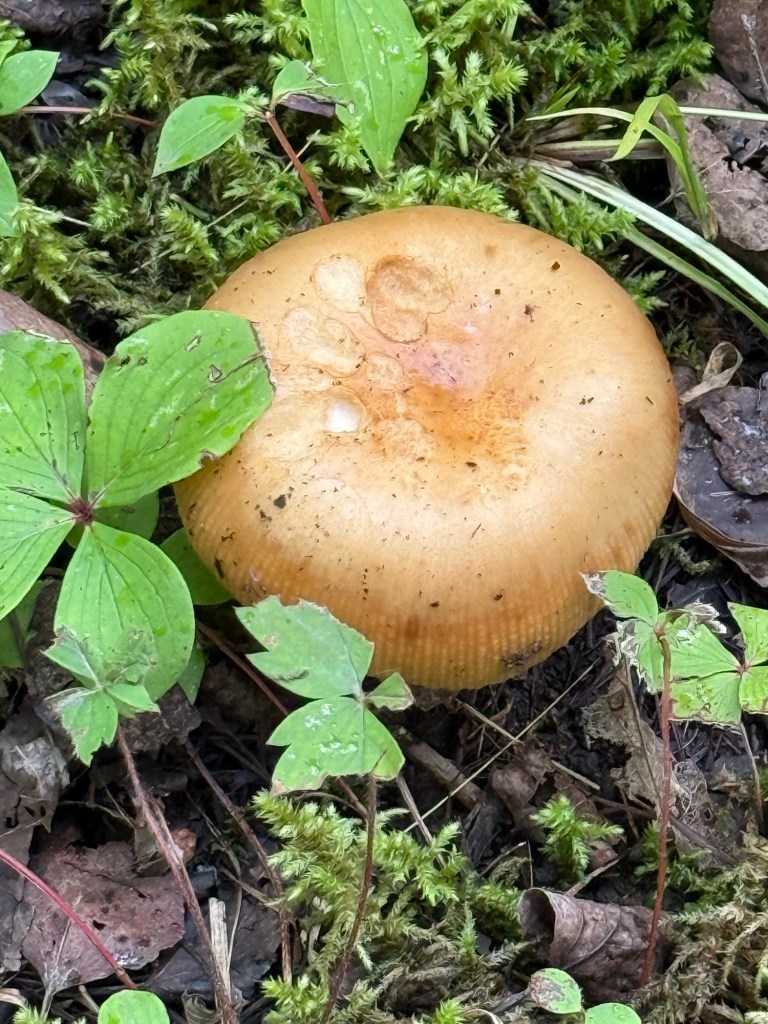
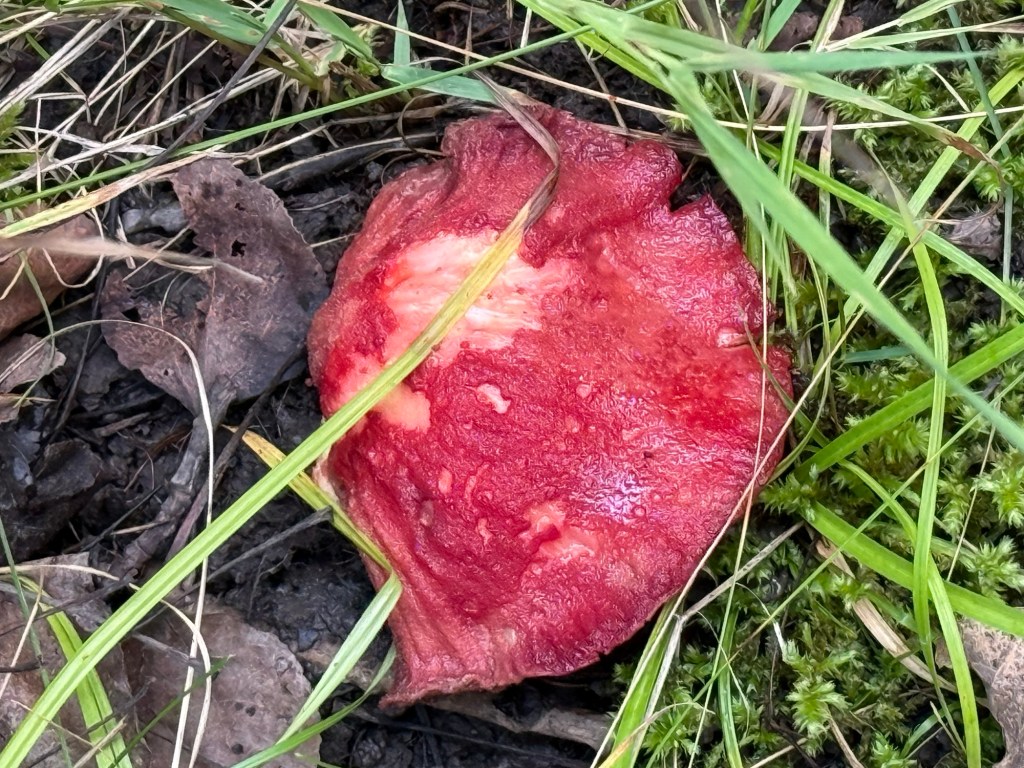
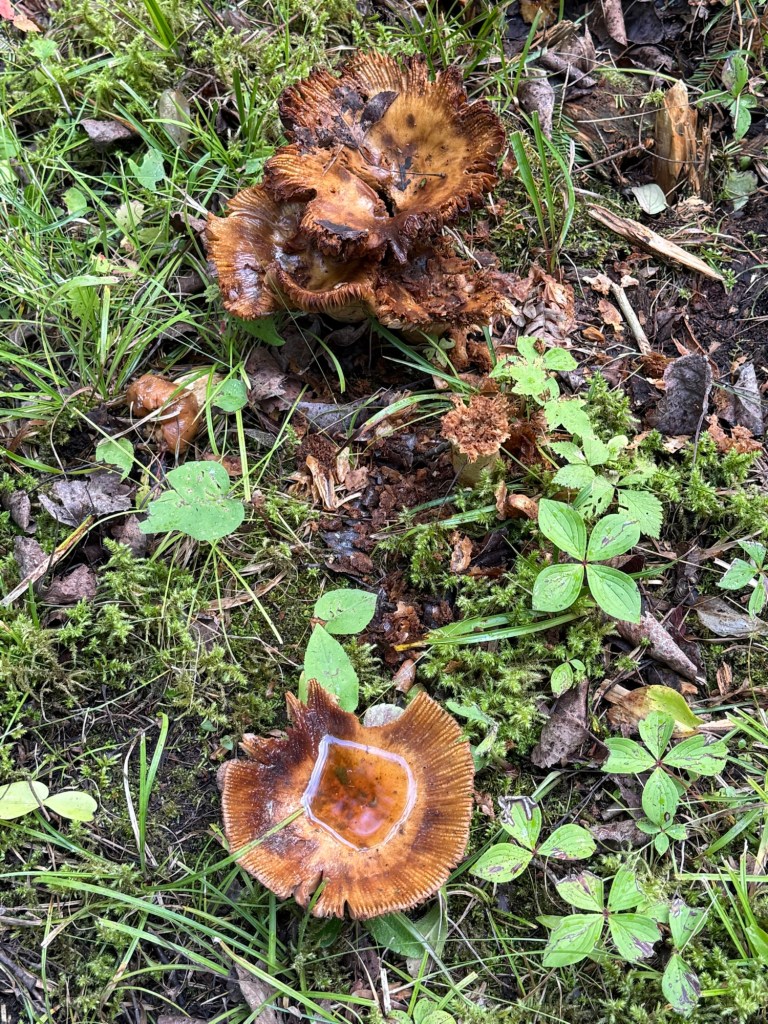
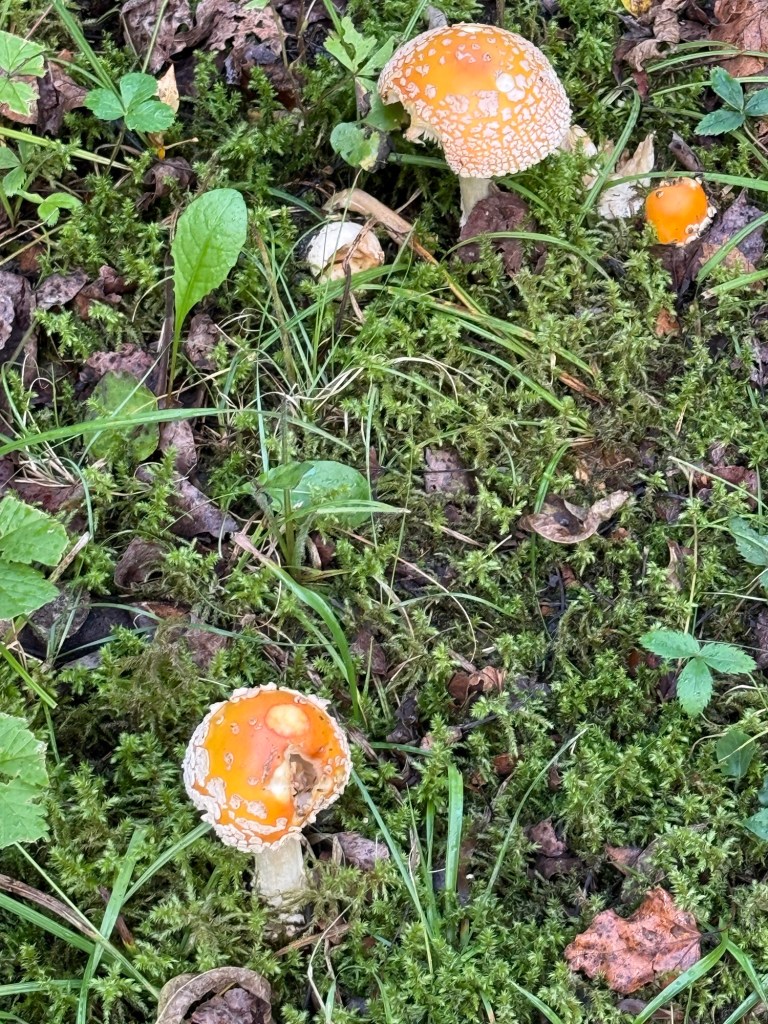
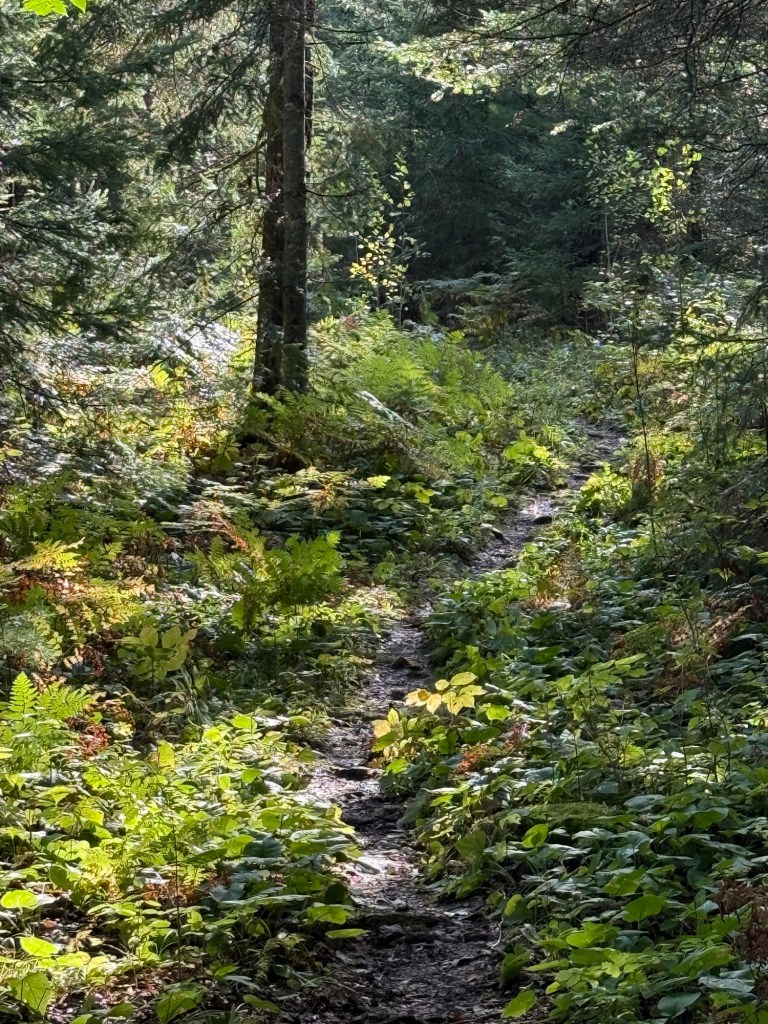
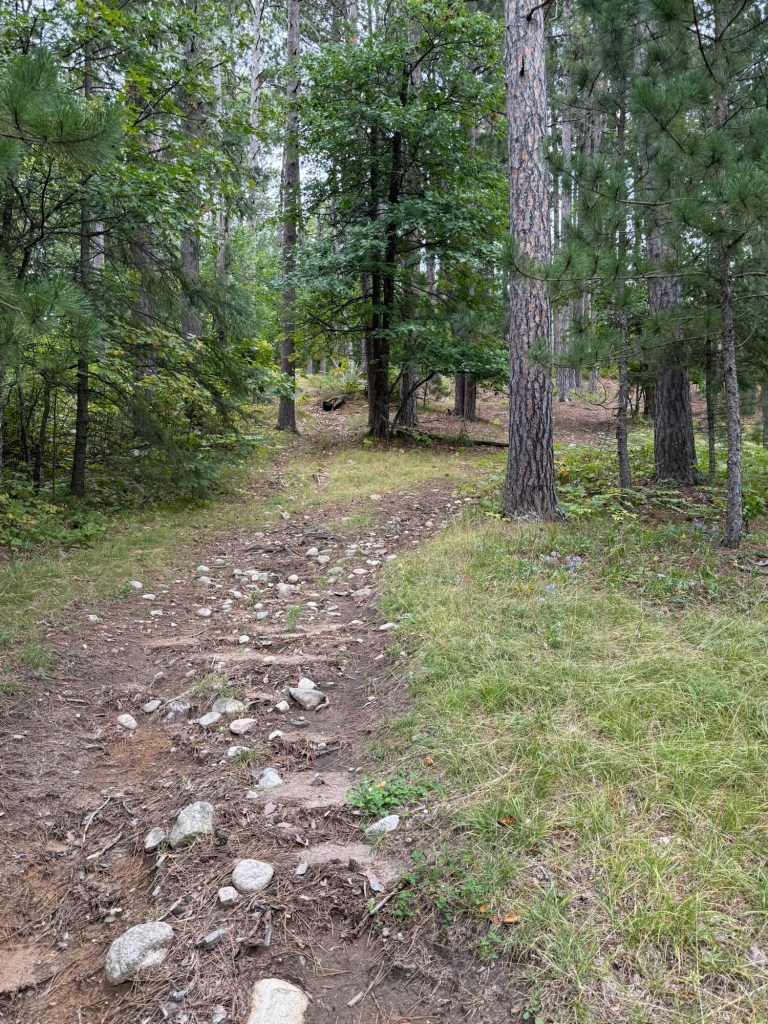
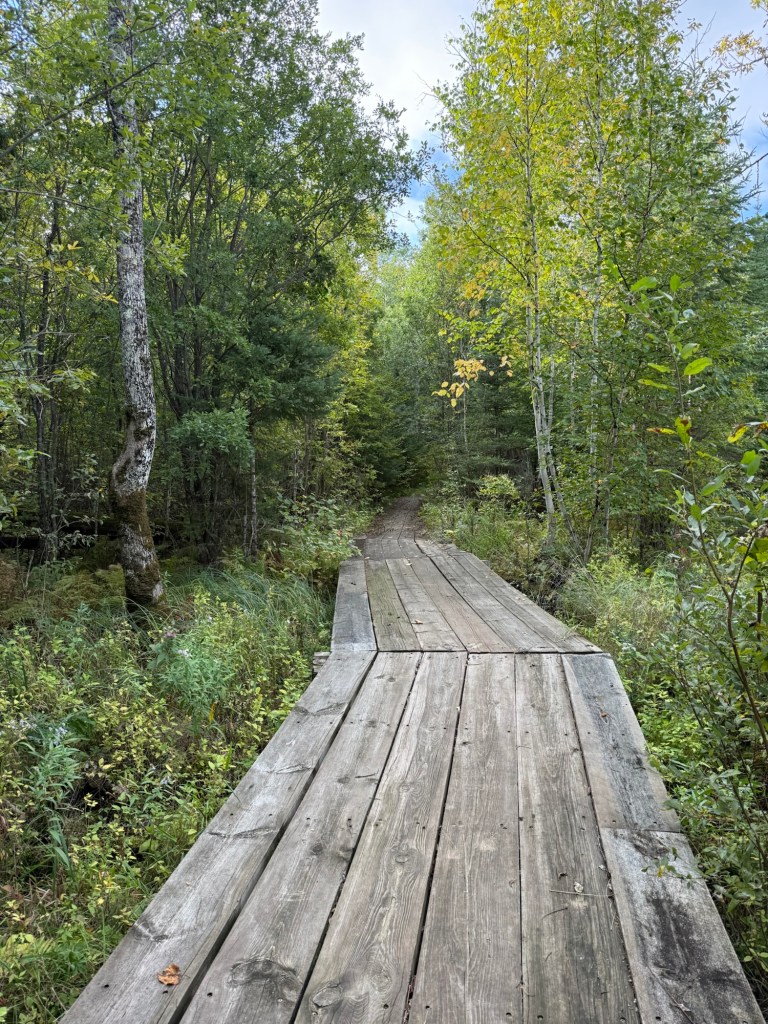
Sometimes the path became very marshy, so the have boardwalks in place to use.
My second hike of the day was on the Kab-Ash hiking trail. It was very much like the first trail except there was more of an elevation gain to this trail.
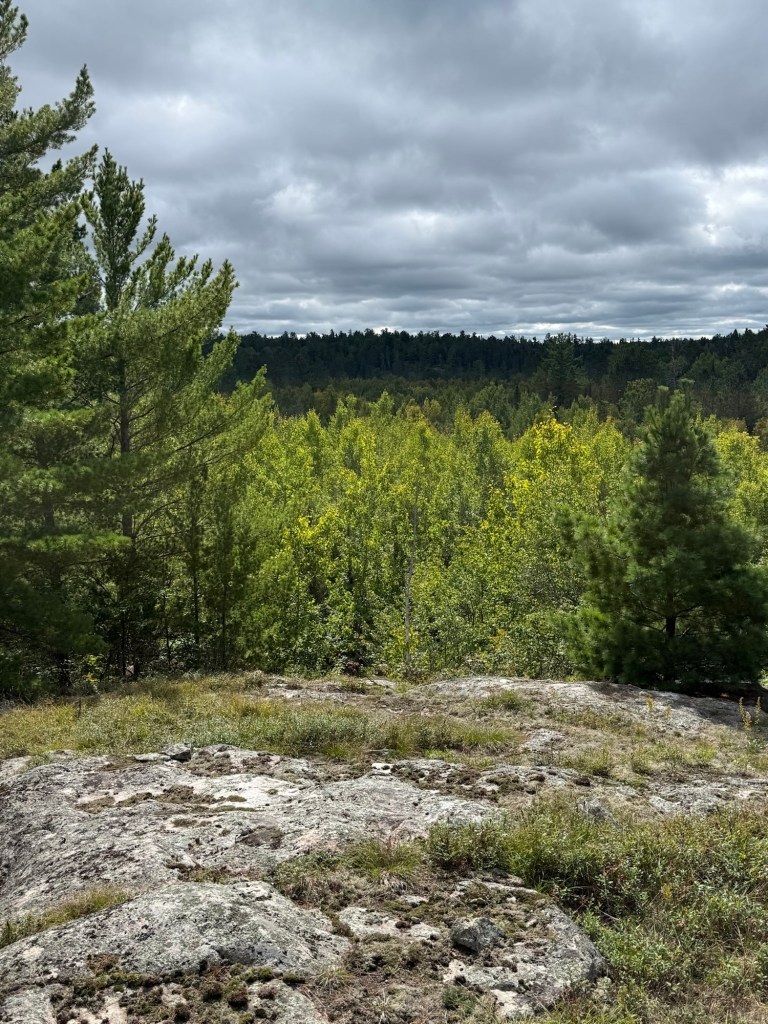
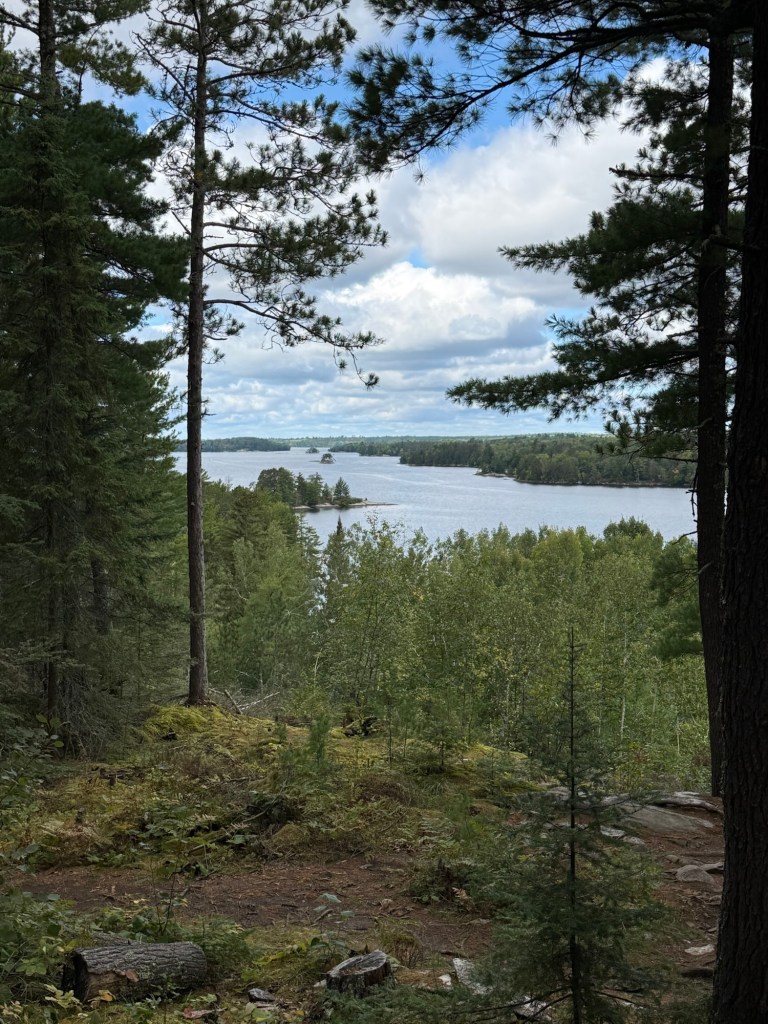
The last hike I did was on the Blind Ash Trail. This trail had some beautiful overlooks
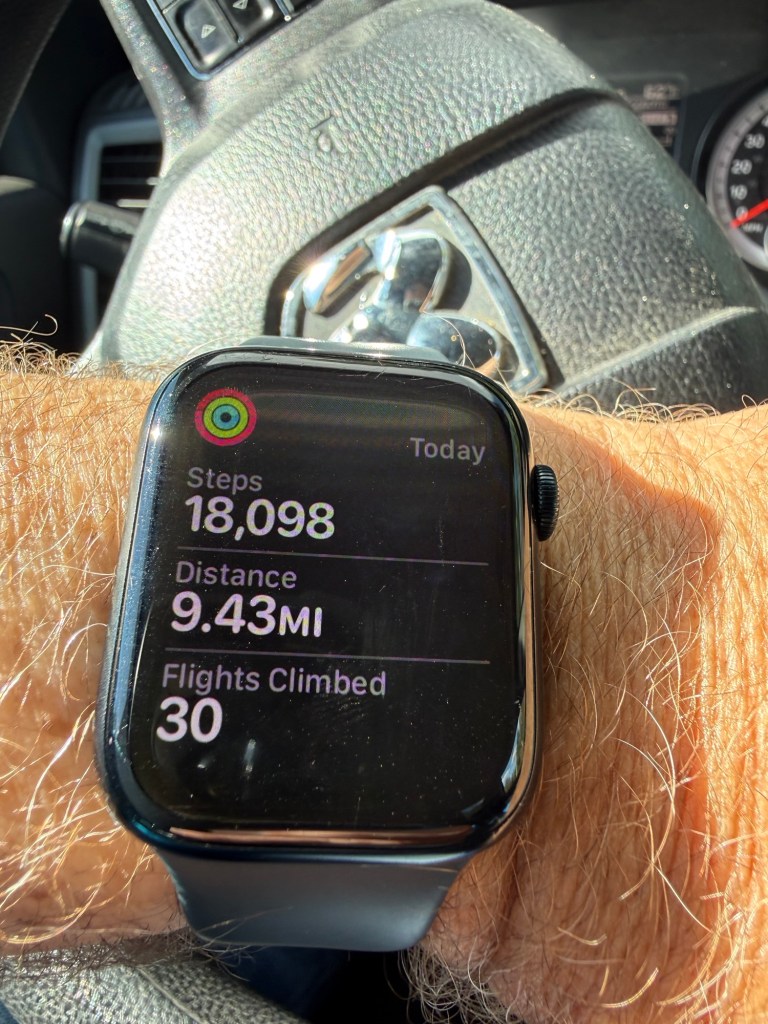
By the time I was done with this hike I had more than gotten my steps in for the day!
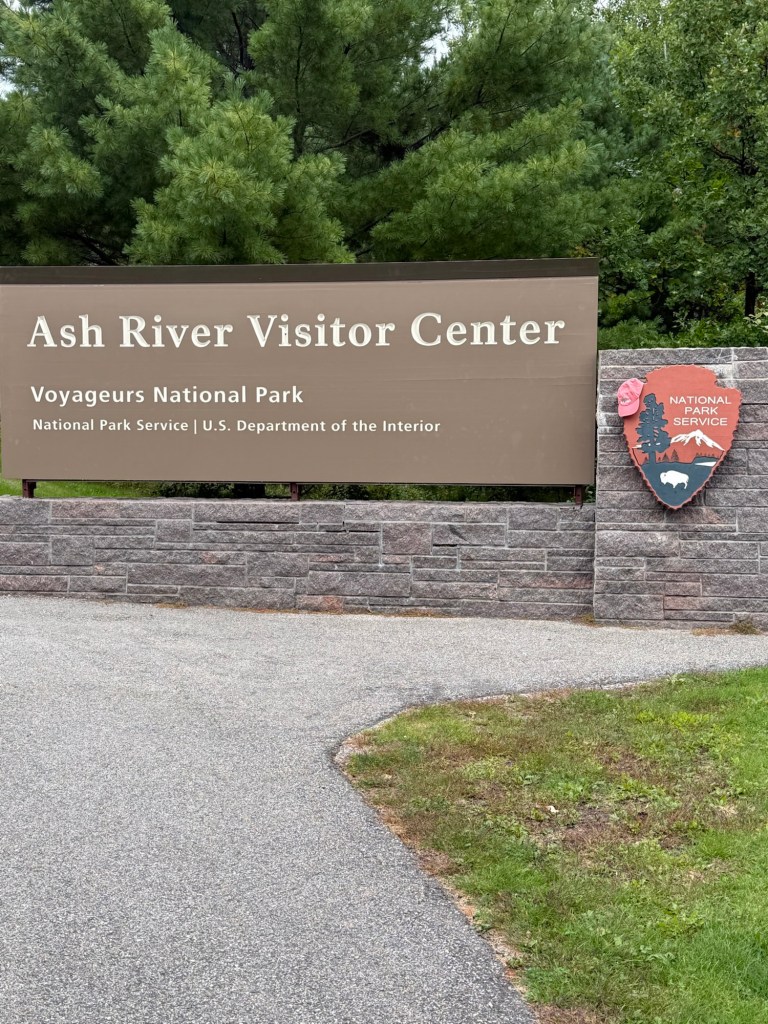
So I went and visited the third visitors center of the park. I went to the Ash River visitors center
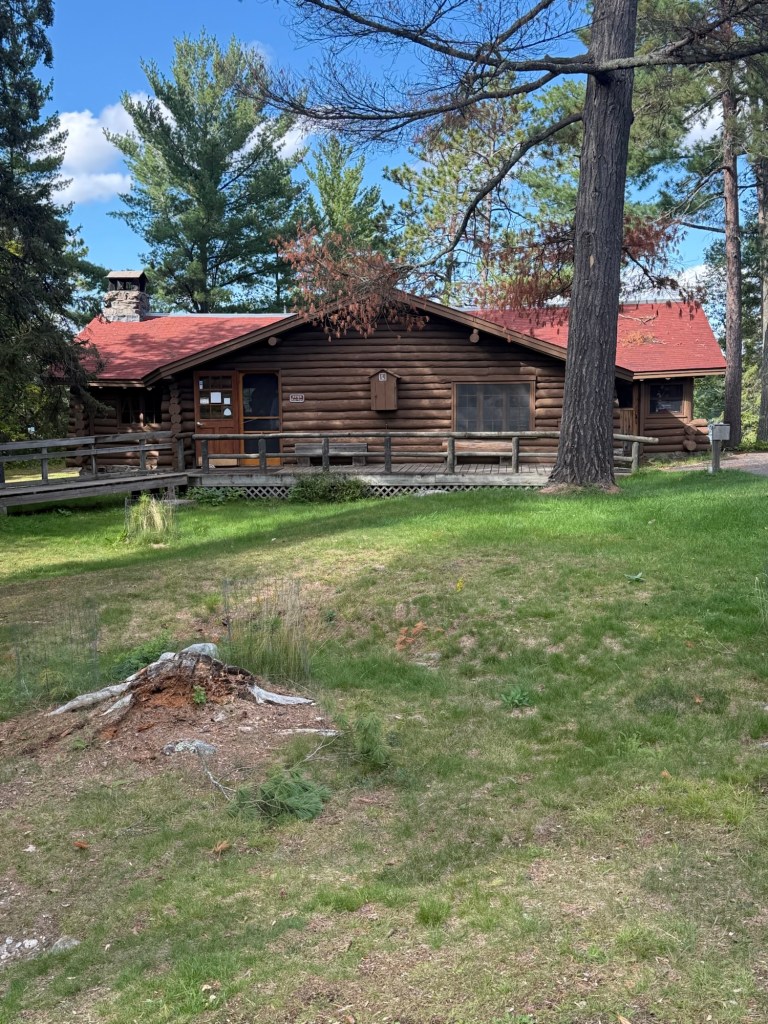
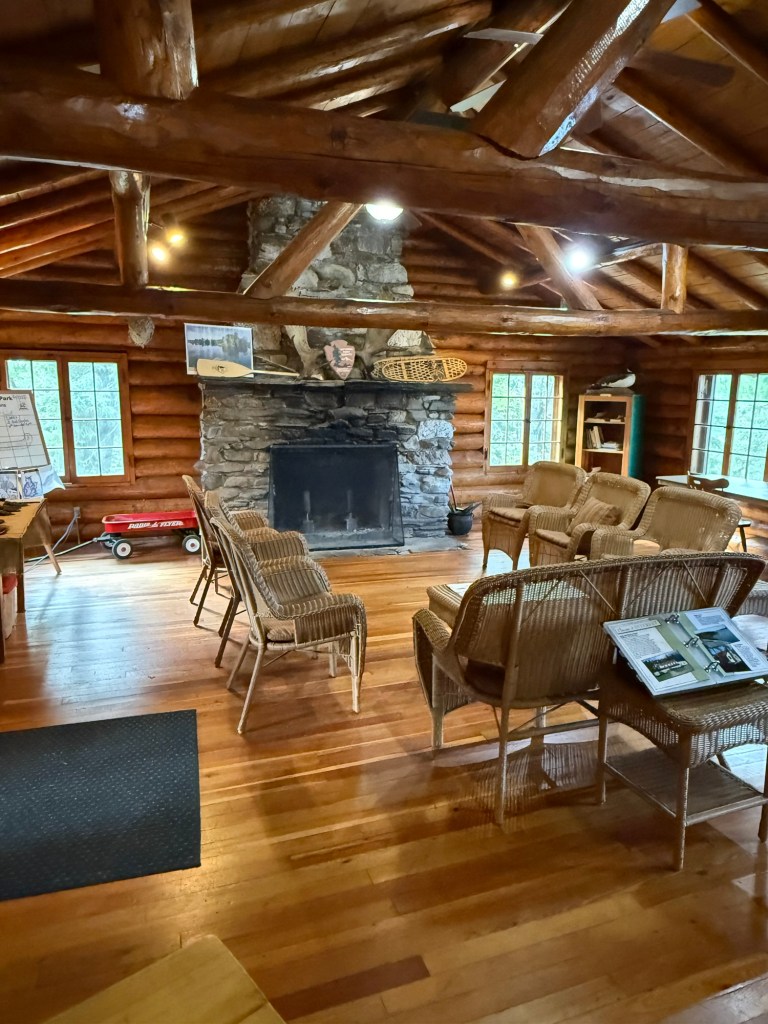
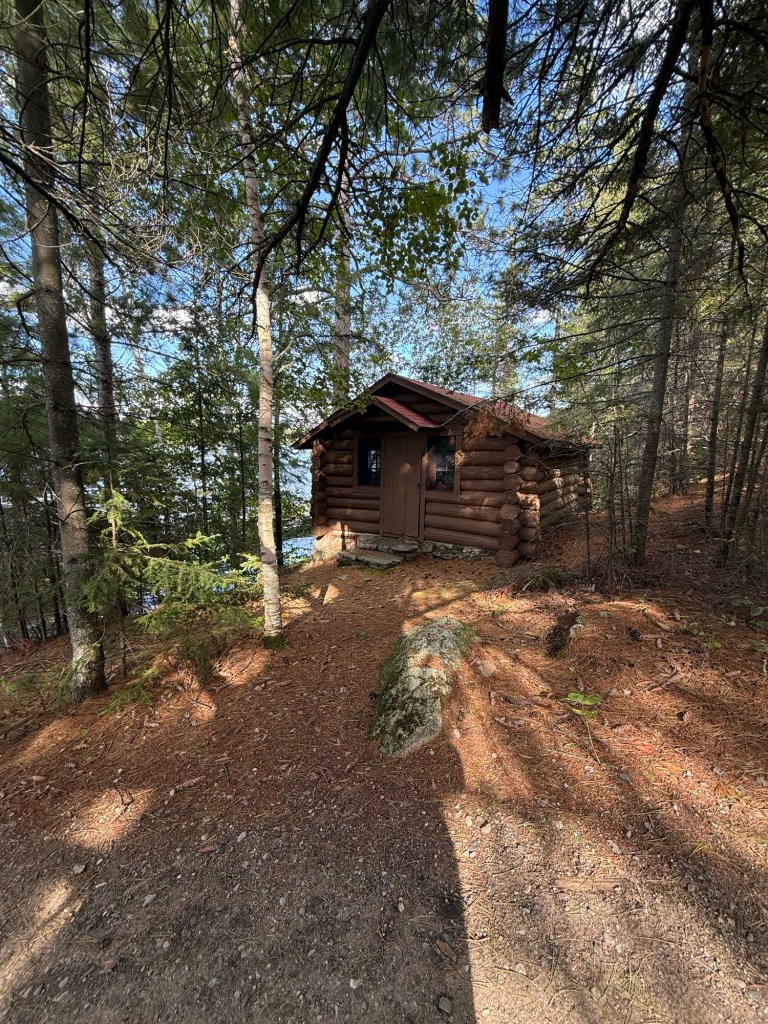
The visitors center was previously “Meadwood Lodge”. The lodge was privately owned and was built in 1935. It catered to fishermen and other outdoor enthusiasts. The only was to get to the resort was by boat! The lodge operated as a private resort up until 1977 when it was acquired by the National park service who turned it into a visitor center.
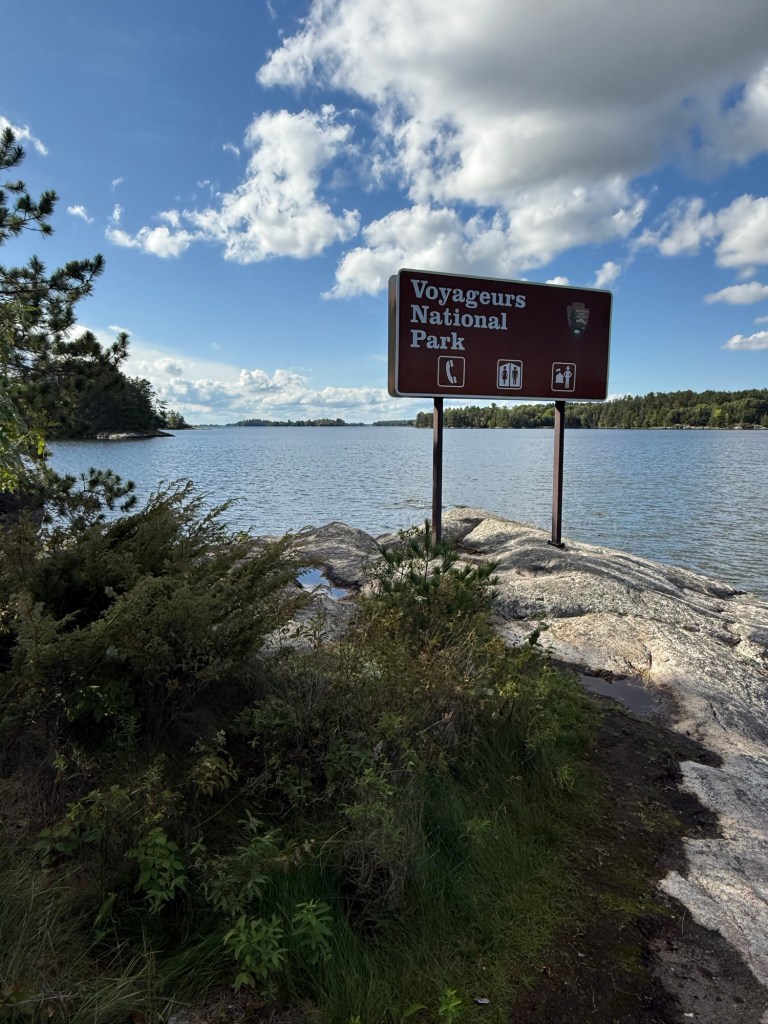
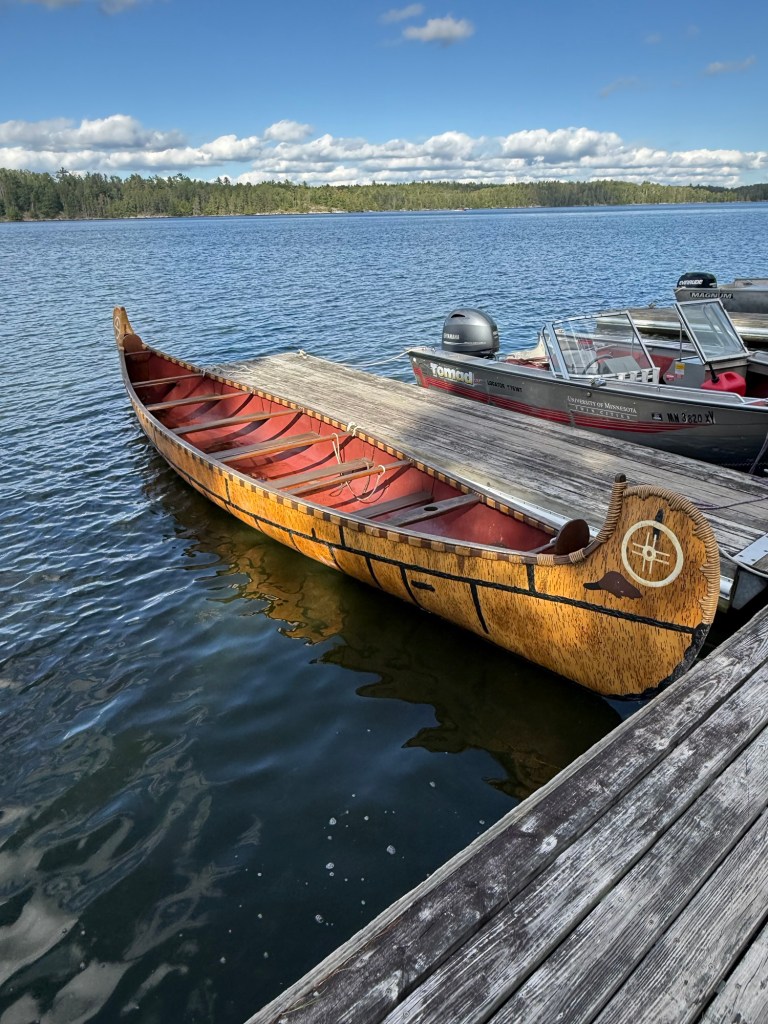
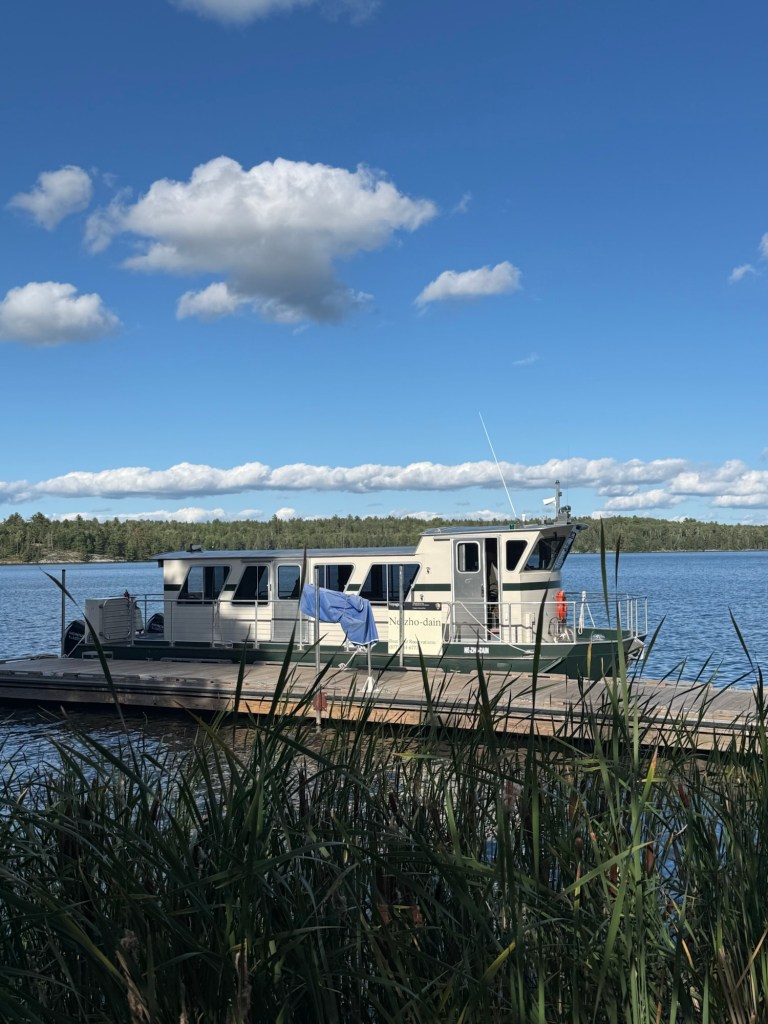
The rest of the day was spent on a three hour tour of a couple of islands that have interesting historic buildings.
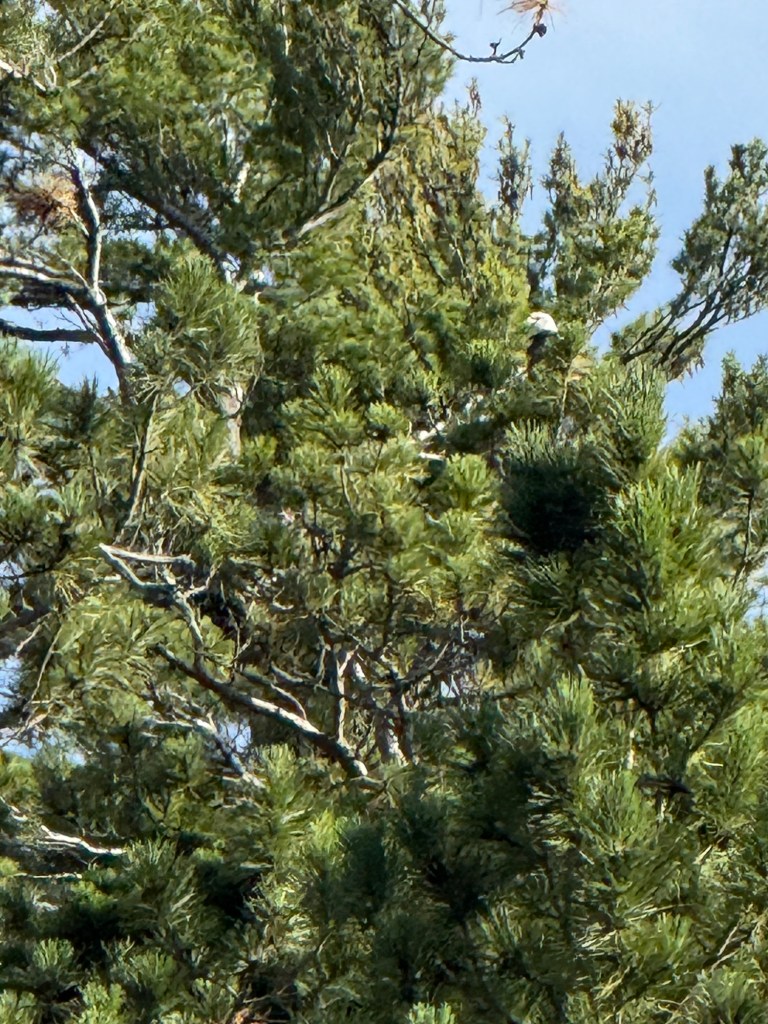
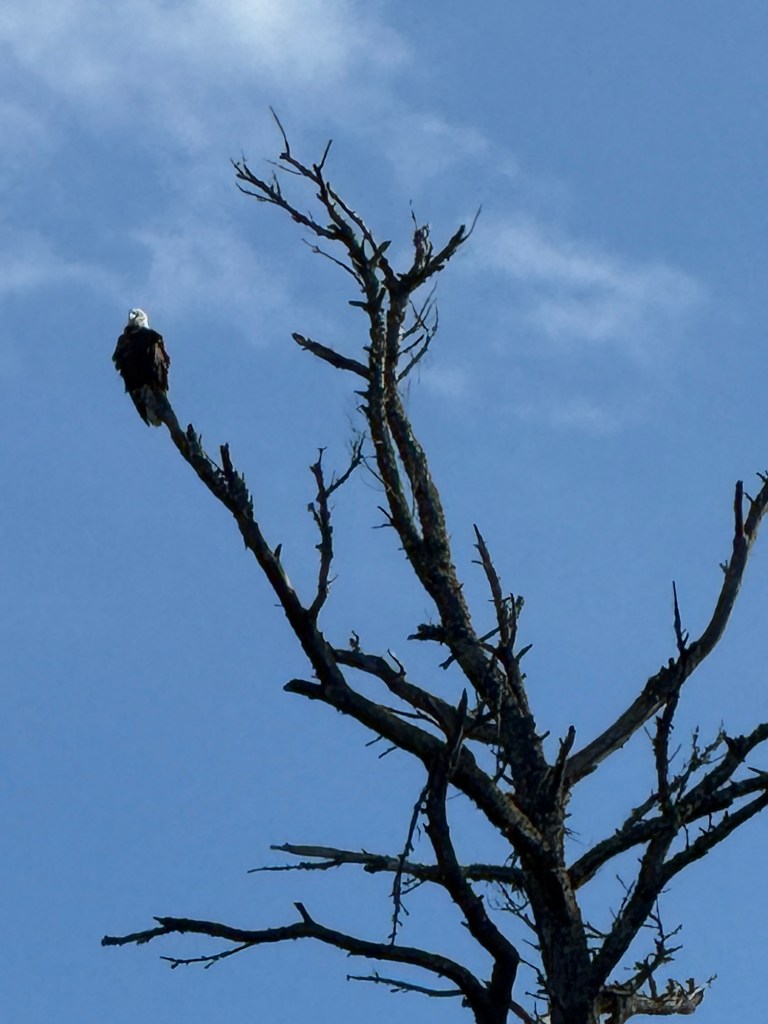
While on the tour we were able to see at least ten Eagles. Most were in flight. There were some perched by nests too!
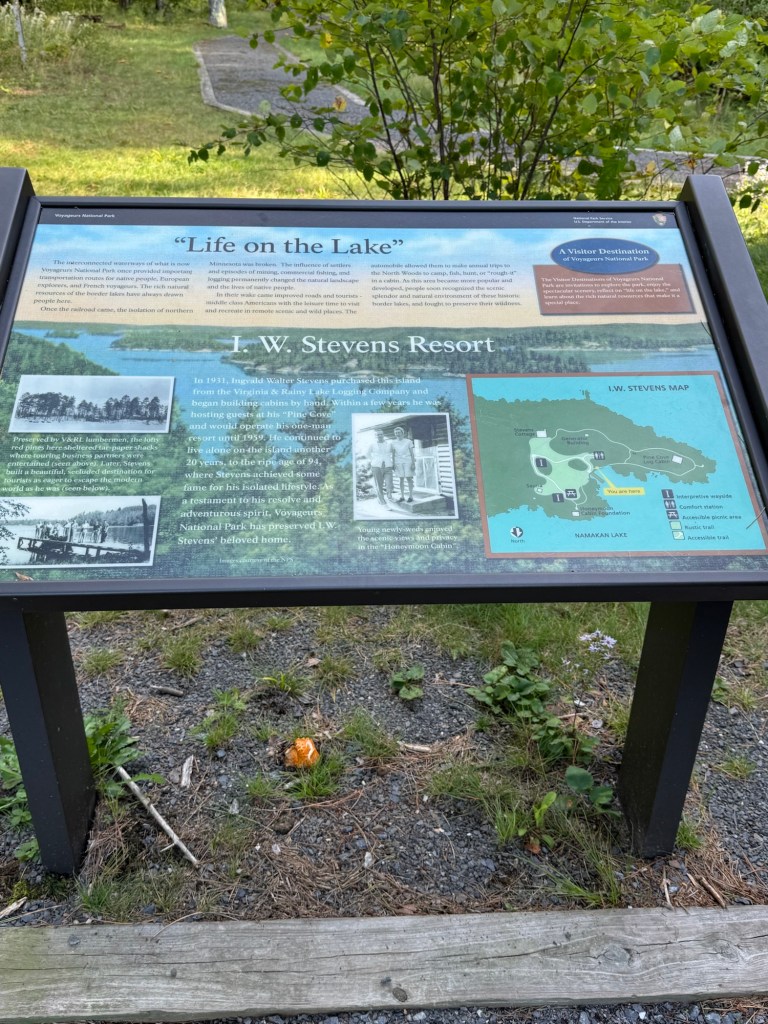
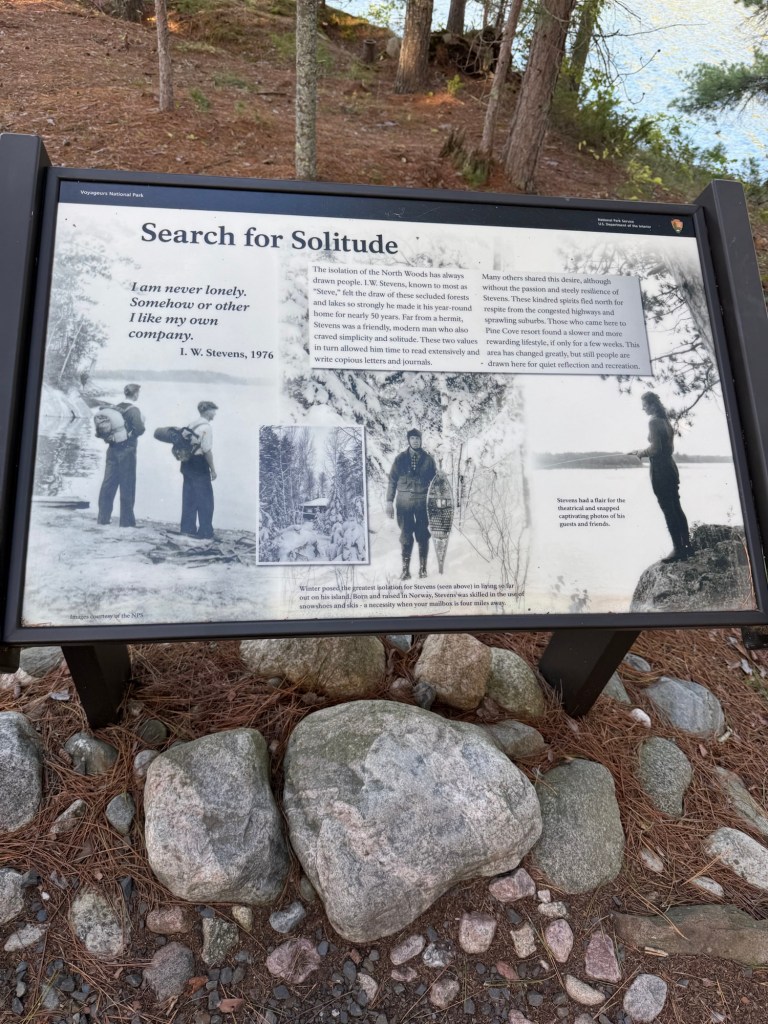
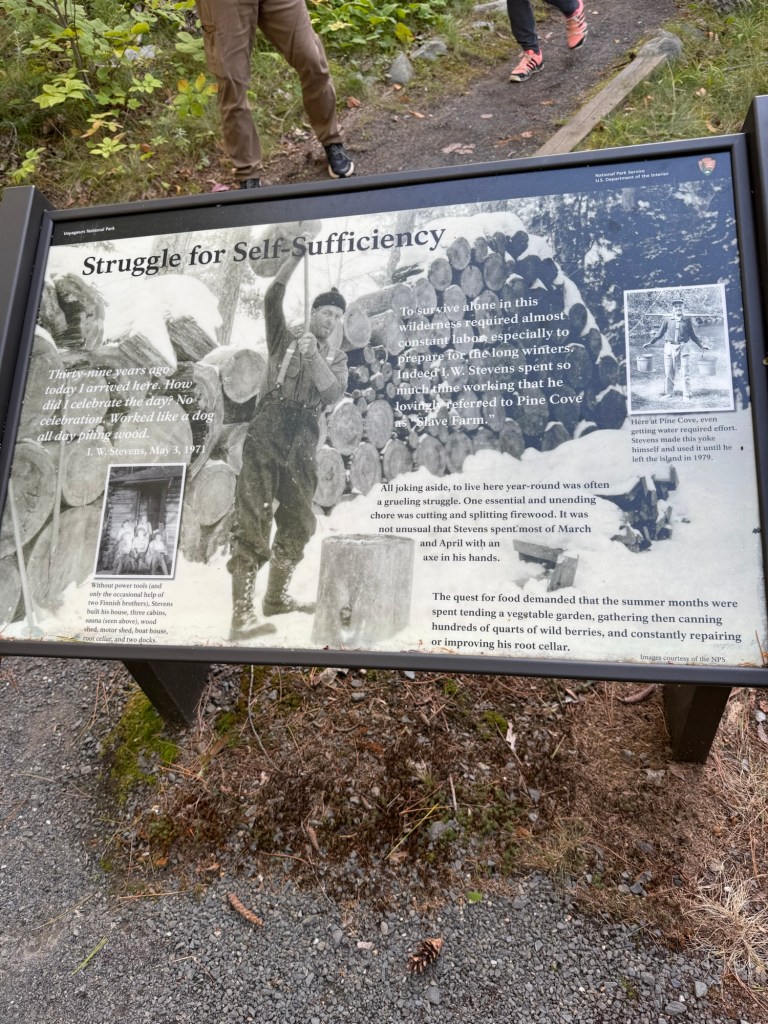
The first Island we visited was the LW Steven’s Island. L. W. Steven’s bought an island from the logging company in 1931 at the age of 47. He had suffered from health issues and decided that the solitude would do him some good. He moved onto the island and built several buildings. He turned them into a resort and operated it for 20 years. He closed the resort and continued to live year round on the island until 1979 at the age of 94. He ended up living with family until he died at the age of 104!
I guess the solitude worked pretty well for him!
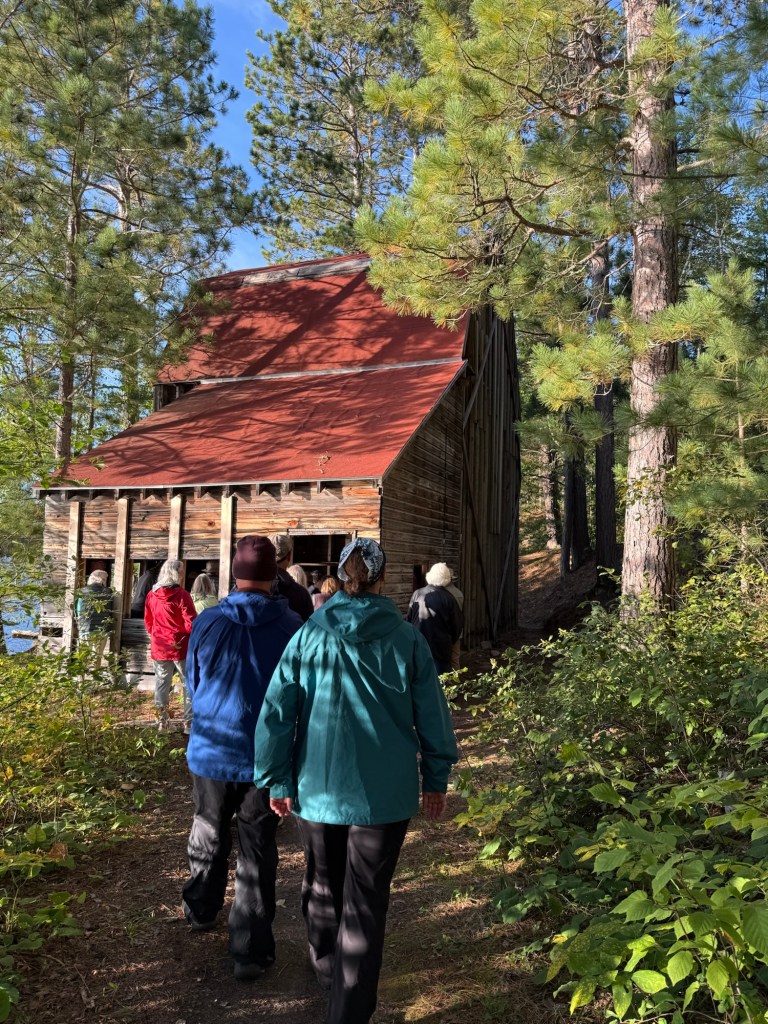
The second stop on the tour was in Hoist Bay. The area originally was owned by logging companies. They harvested the trees and then shipped them out by rail. The lumber camps were known by their number. The camp we visited was camp number 75.
We had a wonderful ride back to the visitors center. We made it back exactly three hours after we left.
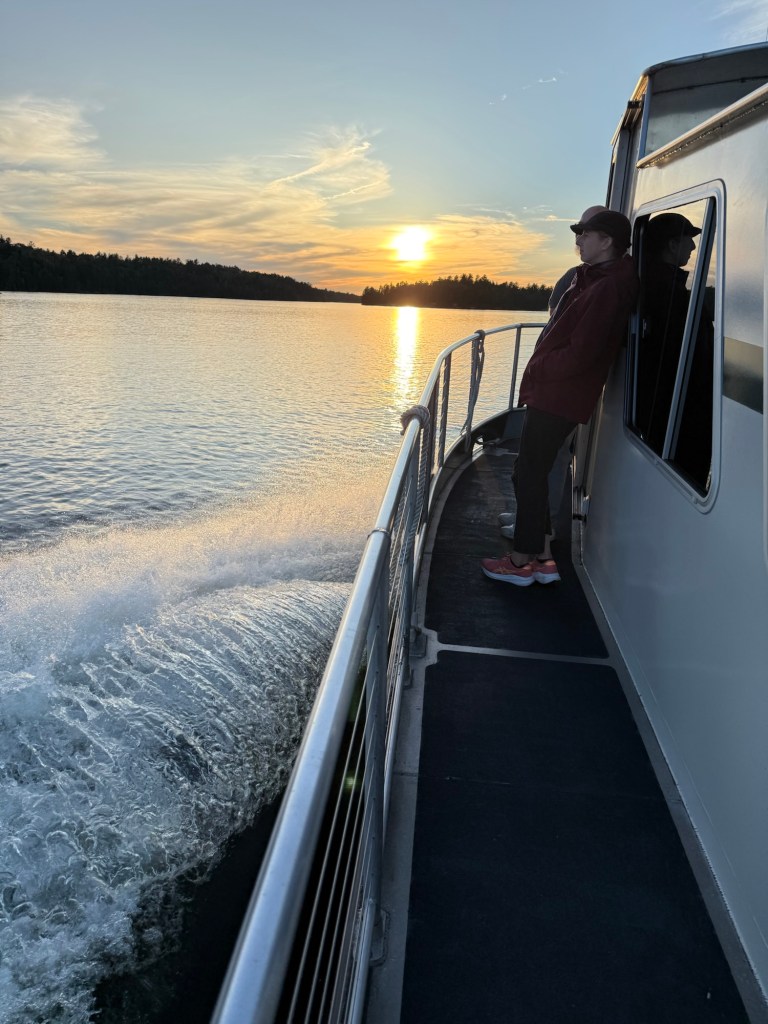
Here is one final sunset picture from the boat on our way back home
All in all I have had a few very nice days here. I would love to come back sometime and spend more time on the water when the temperature is warmer. The tricky part about that are the mosquitoes and black flies. They seem to die out sometime in later August or early September.
Timing is everything it seems!!!! We will have to see what the future brings.
My immediate future will be to break camp in the morning and head west to Theadore Roosevelt National Park in North Dakota. It’s only a nine and a half hour drive so I’m going to try to get on the road as early as possible
 Tom's National Park Adventure
Leave a comment